Three Fates
The Interpretation of DreamsThe Three Fates are the mythic pattern Freud identifies beneath three women in a kitchen dream. In his associations, they connect an everyday image of food and maternal care to the course of a man’s life, ending in death and return to the earth. The dream’s interpretive force comes less from its surface appearance than from the network of memories, puns, and literary references Freud draws around it.
Appearance and Identification
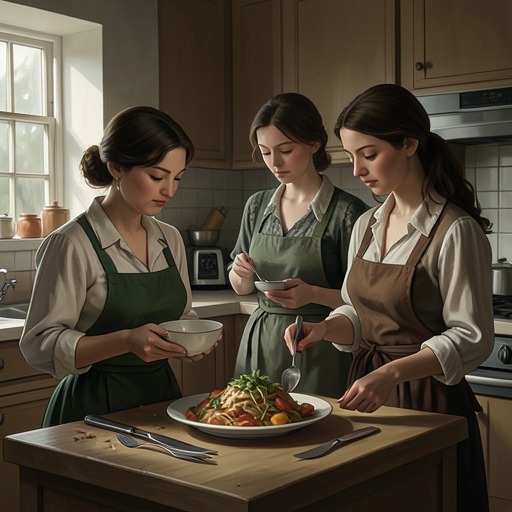
The dream itself may not initially seem remarkable: Freud sees three women in a kitchen, with the first apparently making dumplings. He identifies the women as the Three Fates, and the first as a mother providing nourishment. This recognition shifts the scene from a domestic episode into a mythic arrangement, where the women’s roles suggest the successive forms of the mother across a lifetime.
Maternal Memory, Food, and Earth
Freud links the dumplings to a memory of his own mother rubbing her hands together to demonstrate that human beings are made of earth, producing black scales in the process. The kitchen food thus gathers two meanings: nourishment at the beginning of life and the earth to which life eventually returns. The dream’s associations extend this pattern through recurring references to fish, flesh, milk, dirt, and dust.
Freud later develops a related interpretation in “The Theme of the Three Caskets.” He connects the three caskets in The Merchant of Venice and the three daughters in King Lear to three forms of the mother in a man’s life: his mother, the beloved chosen after her pattern, and Mother Earth, who receives him in the end. In the dream’s interpretive network, the Three Fates therefore embody not only care and love but also mortality.
Literary Echoes and the Dream’s Ending
The interpretation draws on literary quotations as well as personal memory. A line from 2 Henry IV, “Thou owest God a death,” is significantly misquoted in Freud’s discussion as “You owe Nature a death.” The altered wording reinforces the movement from birth to burial and brings the dream’s food and earth imagery into a naturalistic account of human life.
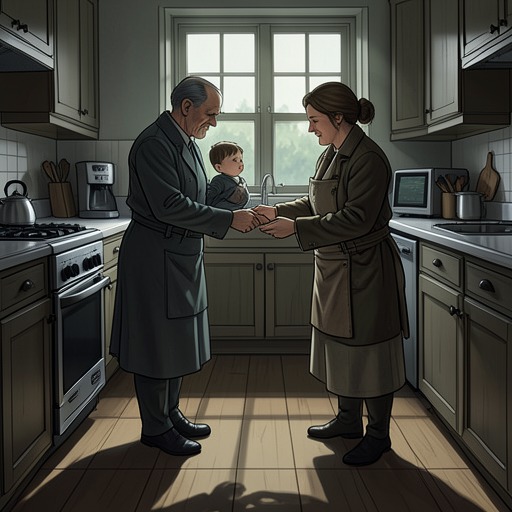
The third Fate, associated with the beloved, remains only faintly present in the name “Pélagie.” The dream’s maternal figure consequently gathers what its surface scene keeps separate: the mother who nourishes, the beloved who follows her pattern, and the earth that receives the dead. By the end of Freud’s reading, the father—otherwise prominent in his theories—has yielded to this ambivalent figure of the mother.